 Art
Art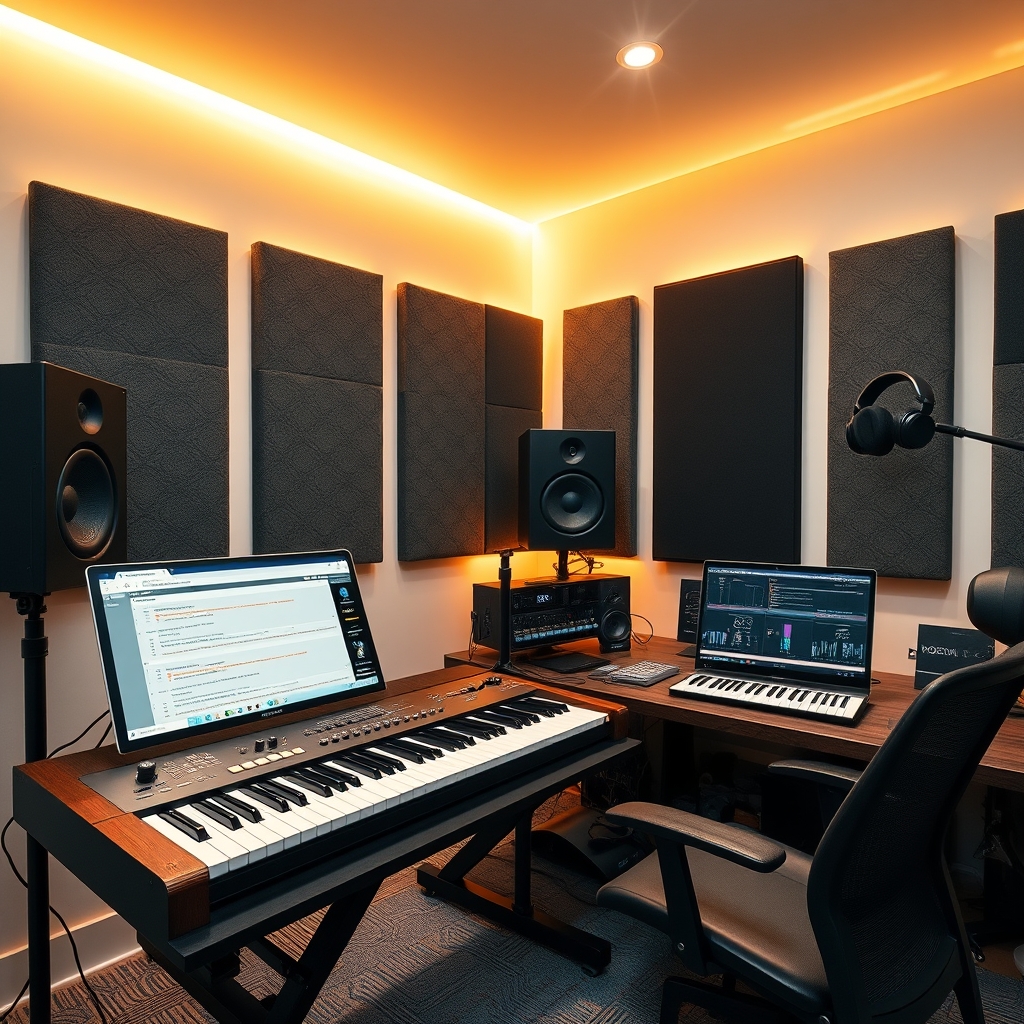
The home studio is no longer a humble bedroom corner with a laptop and a pair of headphones—it’s a creative command center where artists sculpt soundscapes that echo through global playlists. As 2026 unfolds, the independent music landscape is driven by decentralized creativity, AI-assisted workflows, and a resurgence of analog warmth. For musicians, photographers, and creative students alike, building a home studio now means balancing cutting-edge technology with tactile authenticity. Whether you're a bedroom producer or a seasoned creator branching into sound, these essentials will help you craft professional-grade music without leaving your space.
At the heart of every modern home studio is the computer, but the real magic lies in the interface. In 2026, laptops with AI-optimized processors like the new M3 Ultra chips and AMD Ryzen AI Pro are becoming standard, offering real-time audio rendering and machine learning-assisted mixing. Pair your machine with an audio interface that supports 32-bit float resolution—like the Universal Audio Apollo x16—allowing you to record, edit, and mix with pristine clarity. Latency is the enemy, so look for Thunderbolt 4 or USB4 connectivity. A solid interface isn't just hardware; it’s the gateway to a latency-free creative flow, crucial for recording vocals or live instruments with emotional precision.
Monitors are your eyes into sound. Forget the flat, color-shifted bookshelf speakers of the past. In 2026, AI-enhanced studio monitors like the Adam Audio A7X II use machine learning to auto-calibrate to your room’s acoustics, adjusting frequency response in real time. These aren’t just speakers—they’re intelligent sound sculptors that reveal the subtle layers of your mix. Pair them with acoustic treatment: bass traps in corners, diffusers behind monitors, and mineral wool panels over flutter echoes. A treated room is your first mastering engineer, ensuring your music translates across systems from phone speakers to club PA rigs.
Software defines your sound. Digital Audio Workstations (DAWs) in 2026 are smarter than ever. Ableton Live 13 now integrates generative AI plugins that suggest chord progressions, drum patterns, and even vocal harmonies based on your project’s mood. FL Studio 24 introduces AI-driven stem separation, allowing you to isolate vocals or instruments for remixing. For those drawn to organic textures, platforms like Bitwig Studio 5 blend modular synthesis with AI modulation, enabling patch creation that evolves in real time. The trend isn’t just digital—it’s symbiotic. Artists are using AI not to replace creativity, but to amplify it, turning inspiration into innovation faster than ever.
Instruments and controllers are where personality meets technology. In 2026, MIDI controllers are evolving into tactile sound engines. The Native Instruments Maschine+ 2, for instance, combines a groovebox, sampler, and sequencer in one unit, with AI-powered one-shot generation for instant rhythms. Meanwhile, boutique modular synths like the Make Noise Mimeophon are being reimagined with digital interfaces, letting you blend analog warmth with digital precision. For guitarists, the Neural DSP Quad Cortex is no longer just an amp modeler—it’s a full studio-in-a-pedal, recording pristine takes, applying real-time effects, and even suggesting alternate tunings based on song structure. The line between instrument and studio is dissolving.
Cultural context plays a pivotal role in 2026’s sound. Independent artists are reclaiming analog aesthetics in a digital world. Vinyl sales continue to surge, with over 40 million records pressed in 2025—a 15% increase from 2023. This isn’t nostalgia; it’s identity. Artists like Sevdaliza and Arca are releasing “albums as objects,†pairing music with immersive visual narratives and limited-edition artifacts. Home studios are now sound labs where musicians experiment with lo-fi sampling, field recordings, and tape saturation to evoke tactile nostalgia. The trend is clear: authenticity is currency, and analog imperfection is the new perfection.
Practical wisdom for the modern producer: start small, but think modular. Begin with a core system—a reliable interface, calibrated monitors, and a DAW with AI tools you understand. Record everything: not just instruments, but ambient sounds, conversations, traffic noise. These become sonic DNA. Use free AI tools like LANDR or Soundtrap to test mixes before finalizing. Collaborate remotely using cloud-based DAWs like BandLab or Splice, where artists across continents can build stems in real time. And always master for multiple formats—streaming, vinyl, YouTube—each demands a different approach.
Your home studio in 2026 is more than a workspace; it’s a sanctuary of sound. It’s where algorithms meet intuition, where digital precision meets analog warmth, and where independence becomes influence. Whether you're producing a lo-fi album, scoring a short film, or remixing a classic, your setup is your voice. Build it with intention, calibrate with care, and let your creativity resonate—not just in your headphones, but across the world. The stage is yours. The mic is live. The future is unwritten… but it’s being mixed right now.