 Art
Art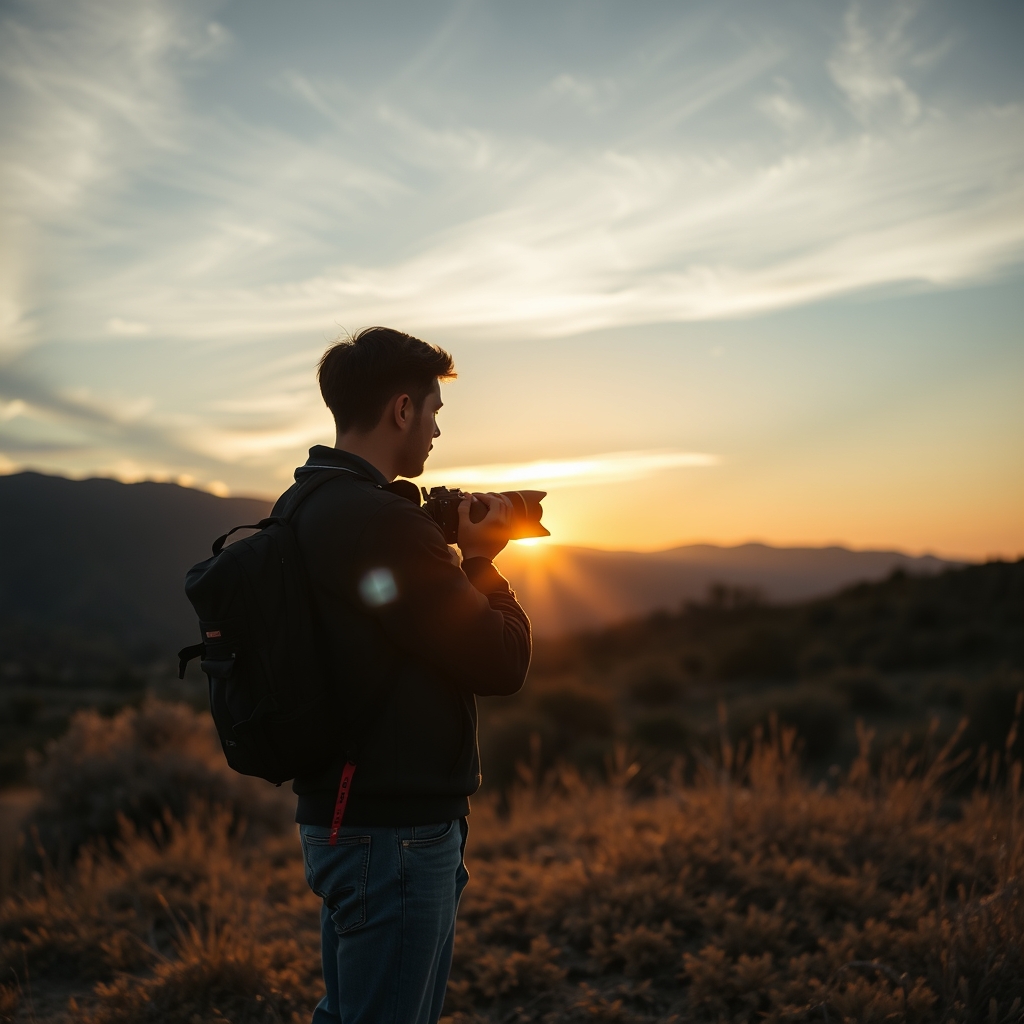
The photographic landscape of 2026 is a fusion of razor-sharp hardware and poetic soul-searching. Gone are the days when a new camera body alone could unlock visual poetry; today’s creators are wielding AI-assisted capture tools that feel less like gadgets and more like extensions of their imagination. The mirrorless revolution has matured into a whisper-quiet ecosystem where full-frame sensors flirt with computational photography, producing 100-megapixel stills that still behave like film. At the same time, micro-OLED viewfinders now render light in 4K HDR, collapsing the distance between what you see and what you record. For art lovers and photographers alike, the gear aisle is no longer a temple of specs but a toolbox where ergonomics and ethics share the same shelf.
Look ahead to the mid-2026 runways and you’ll spot two trends reshaping how we chase light. First, “adaptive color rendering†is moving from post-production to the moment of capture, letting photographers lock in mood palettes that align with their subject’s emotional frequency. Second, the rise of ultra-thin graphene batteries is slashing the weight of drone rigs and mirrorless bodies without sacrificing stamina, enabling aerial storytellers to hover twice as long over protest marches or coastal erosion sites. Meanwhile, compact medium-format bodies—once the preserve of studio titans—are quietly migrating into the backpacks of street photographers who crave shallow depth of field without the tripod tax. The message is clear: by 2026, mastery is less about lugging equipment and more about curating it.
Practical alchemy begins in the viewfinder. Try this: set your camera to a monochrome profile, then dial in a subtle sepia tint in-camera. The result is a JPEGs that behaves like a raw file yet carries the emotional DNA of vintage gelatin silver. Combine this with the new generation of lightweight ND filters that clip onto the flange ring, and you can shoot wide-open portraits at noon without blowing highlights. For musicians documenting live sets, the 2026 firmware update for the Sony A7S V Mark II now includes a “Concert Curve†picture profile that compresses dynamic range while preserving the bloom of guitar amps and cymbals—perfect for the one-light DIY tour documentary.
Cultural context is the invisible light source. Consider TikTok’s pivot toward “slow photography†in 2025: feeds that once demanded 15-second bursts now reward 90-second cinemagraphs shot on the new Fujifilm GFX100 II. The shift mirrors a broader hunger for contemplation in an algorithmic age, and photographers are responding by composing in layers—foreground texture, mid-ground gesture, deep-background context—that reward a second scroll. The late Nan Goldin’s posthumous 2026 retrospective at MoMA, “Hold Still Life,†pairs her raw Polaroids with AR annotations that peel back time, inviting visitors to inhabit the negative space around each frame. The show quietly argues that the future of photography isn’t faster burst rates but deeper resonance.
Storytelling light itself is evolving. In 2026, RGB laser projectors the size of a matchbox can repaint a gallery wall with spectral hues that pulse in sync with a live score, turning the exhibition space into a synesthetic instrument. Photographers are repurposing these pico-projectors as portable fill lights, rigging them to helmets or drones for nighttime environmental portraits that feel like they’re being painted in mid-air. Ethical questions abound: when a subject’s skin tone is calibrated by a laser tuned to a specific color temperature, does the resulting image transcend or flatten identity? The conversation is as vibrant as the pixels, reminding us that mastery is not just technical but moral.
For creative students starting out, the entry threshold has never been lower—or the ceiling higher. Begin with a used 24-megapixel micro four-thirds body and a single prime lens; the smaller sensor teaches composition without pixel-peeping. Shoot RAW+, enable the new “Memory Lane†mode that auto-tags frames with GPS mood tags, then cull in 2026’s faster versions of Capture One or Lightroom. Print small—zine editions on algae-based paper are booming—and trade prints at local DIY fairs. The tactile feedback of a hand-bound book will remind you that pixels are only the beginning; the real magic happens when light meets memory and sparks a conversation.
By 2026, the photograph is no longer an object but an encounter. Whether you’re documenting the last vinyl pressing plant in Detroit or choreographing drone swarms over the Venice Biennale, your toolkit should feel like an extension of your pulse. Choose gear that disappears, light that sings, and stories that linger longer than the shutter click. The future of photography isn’t just about seeing the world—it’s about making the world see you.