 Art
Art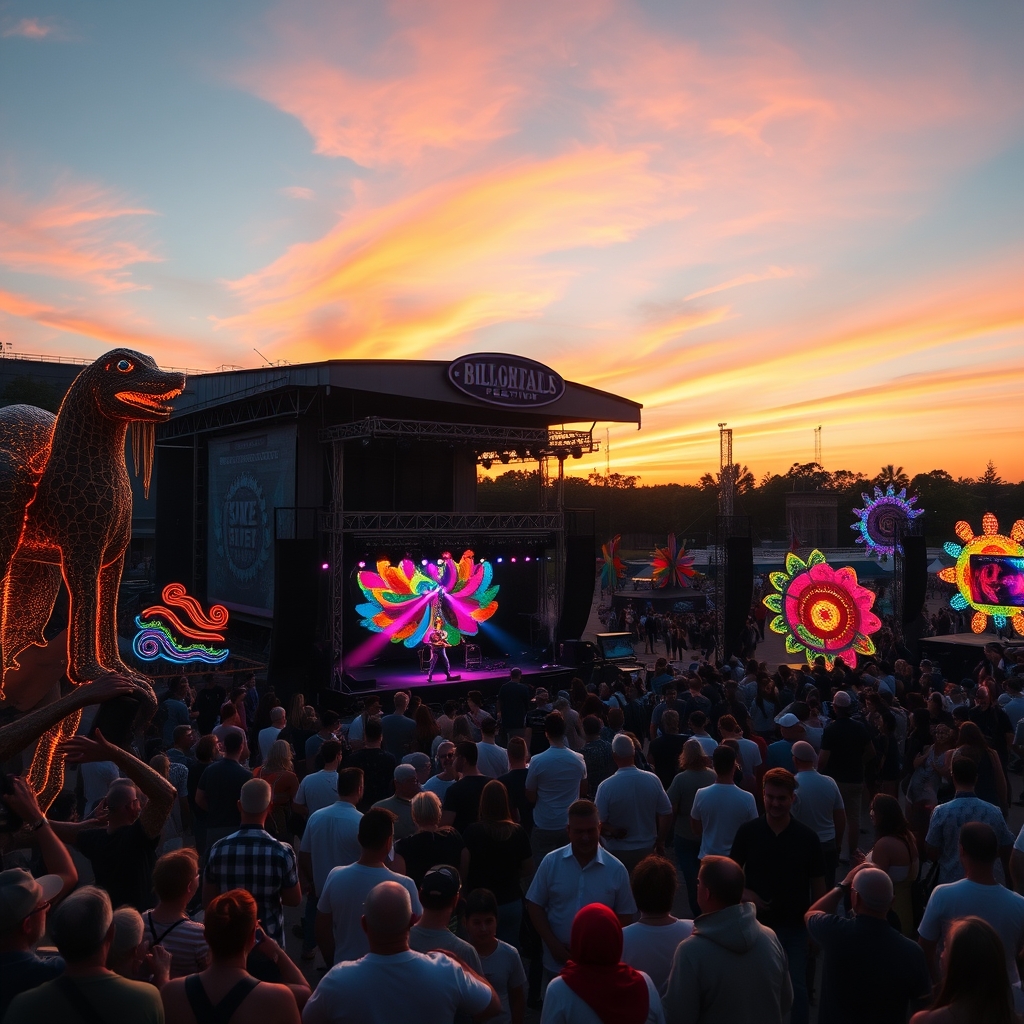
2026 is shaping up to be a landmark year for art and music, with exhibitions that push boundaries and festivals that redefine live performance. The convergence of immersive technology, sustainability, and global collaboration is driving a new wave of creativity. For art lovers, musicians, photographers, and creative students, the coming year offers unparalleled opportunities to experience art in physical and digital spaces. From AI-curated retrospectives to eco-conscious festivals, 2026 is all about transformation—both in form and in meaning.
One of the most anticipated exhibitions of 2026 is *Echoes of Tomorrow* at the Museum of Modern Art (MoMA) in New York. Scheduled for spring, this show explores the intersection of sound and visual art, featuring works by interdisciplinary artists who use AI, field recordings, and kinetic installations to blur the line between music and sculpture. The curatorial team emphasizes “sonic ecosystemsâ€â€”artworks that respond to the viewer’s presence through real-time audio feedback. This reflects a growing trend in 2026: art that isn’t just seen but heard and felt. MoMA is pairing the exhibition with an experimental soundwalk through Central Park, encouraging visitors to engage with the city as an open-air gallery.
Europe is also making waves with *Transmission*, a traveling exhibition that reimagines the history of electronic music through visual art. Debuting at Berlin’s Hamburger Bahnhof and later touring to Paris and Amsterdam, *Transmission* uses light, projection, and modular synthesizers to tell the story of techno, house, and ambient music. The show includes a live archive of rare vinyl and digital instruments, inviting visitors to not just observe but play and remix. This aligns with 2026’s focus on interactivity and accessibility in art—making high culture participatory and inclusive. Practical tip: book tickets early, as these immersive shows often sell out due to limited capacity.
For photographers, *Lens on Light* at the International Center of Photography (ICP) in New York is a must-see. This exhibition examines the role of light in photography, from early daguerreotypes to AI-generated images. It features a special section on computational photography, where algorithms reveal hidden layers in photographs—think infrared, ultraviolet, and 3D depth mapping. The ICP is pairing the show with workshops on using open-source tools like Darktable and RawTherapee for creative post-processing. Cultural insight: the exhibition reflects a growing skepticism of AI-generated art, positioning photography as a tangible, human-driven medium in an era of synthetic imagery.
On the festival front, 2026’s music calendar is brimming with innovation. The newly launched *Harmonic Horizons Festival* in Reykjavik, Iceland, is set to become a beacon for experimental and ambient music. Held in a geothermal landscape, the festival integrates sound, nature, and sustainability—solar-powered stages, biodegradable materials, and carbon-neutral transport are standard. The lineup features Icelandic composers, modular synth performers, and ambient artists who create site-specific works. It’s a blueprint for future festivals, where environmental responsibility meets artistic ambition. Early bird tickets are available now, and creative students can apply for artist residencies that include studio access and mentorship.
Another standout is *Rhythm & Roots* in New Orleans, a festival that fuses jazz, hip-hop, and visual art in public spaces. Unlike traditional festivals, Rhythm & Roots uses the city’s architecture as a canvas, projecting murals and animations onto historic buildings. Local artists collaborate with musicians to create live paintings that evolve alongside the performances. This reflects a 2026 trend: art and music festivals as living, breathing extensions of urban culture. For photographers, the festival offers a masterclass in low-light and long-exposure techniques, with neon-lit streets and reflective surfaces providing endless creative possibilities.
Practical tips for making the most of these events include planning travel in advance, especially for international exhibitions and festivals. Many venues offer student discounts and group rates, so pairing up with fellow art lovers can save money and enhance the experience. Tools like Google Arts & Culture and Artsy can help you explore digital previews of exhibitions, while apps like Songkick and Bandsintown help track festival lineups. Don’t forget to bring a good camera—whether it’s a DSLR for high-resolution documentation or a smartphone with manual controls for quick, creative shots.
2026 is more than a year of events; it’s a cultural movement. Art and music are no longer passive experiences but active dialogues between creator, audience, and environment. Whether you’re standing in a gallery with AI-generated soundscapes, dancing under the Northern Lights, or capturing the glow of a city transformed by light, you’re part of a collective reimagining of what art and music can be. Don’t just attend—immerse yourself, question, and create. The future of culture is happening now.