 Art
Art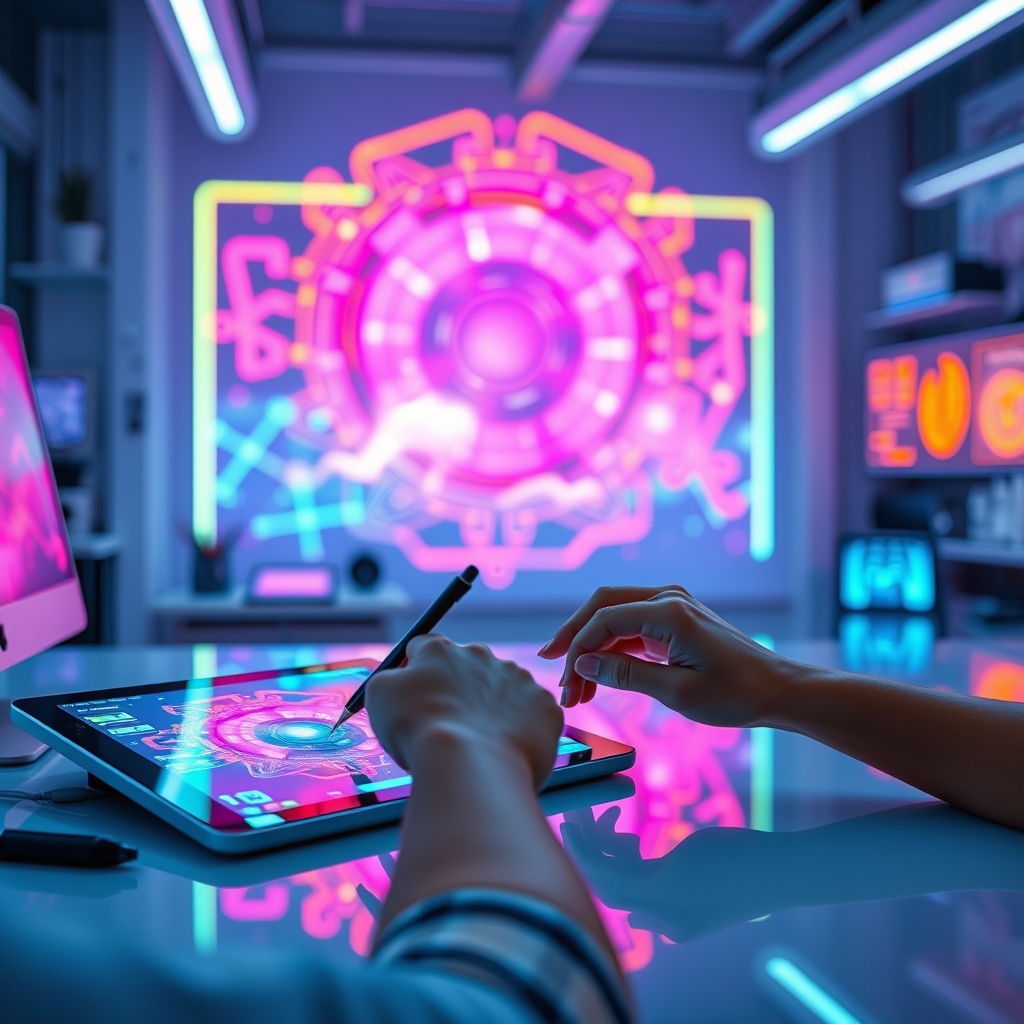
The digital canvas is no longer just a screen—it’s a living, breathing partner in creation. As we move through 2026, artificial intelligence has woven itself into the fabric of visual art, not as a replacement for the human touch, but as a collaborator that expands imagination beyond the limits of tradition. From musicians experimenting with AI-generated visuals for album art to photographers using neural networks to restore and reimagine old negatives, AI tools are redefining what it means to create. This isn’t the death of human creativity; it’s the dawn of hybrid artistry, where code and canvas merge to produce works that are both deeply personal and profoundly unexpected.
One of the most exciting trends of 2026 is the rise of “generative environmentsâ€â€”AI systems that don’t just spit out static images, but evolve alongside the artist. Tools like Adobe’s Firefly 2026 and MidJourney’s new “Style Sync†allow creators to input a sketch or mood board, and watch as the AI dynamically generates variations in real time, adapting to emotional tone, color palette, and even narrative intent. For photographers, AI upscaling tools like Gigapixel AI 7.0 now offer not just resolution enhancement, but intelligent content-aware fill that can reconstruct missing details in historical photos with uncanny accuracy. Meanwhile, musicians are pairing audio-reactive visualizers—powered by AI that analyzes song structure—with live performances, creating immersive experiences that respond to the energy of the room.
But with great power comes great responsibility. The ethical debate around AI-generated art continues to simmer, particularly as trained models inadvertently absorb the styles of living artists without consent. In 2026, platforms are responding with transparency features like “Style Attribution Tags,†which reveal the primary influences behind any AI-generated image. It’s a step toward accountability, but it also challenges artists to think critically about how they use these tools. Some, like celebrated digital artist Beeple, have embraced AI as a sketch tool, using it to rapidly prototype ideas before refining them by hand. Others, like photographer David LaChapelle, remain vocal critics, arguing that AI lacks the soul of human intention. The tension is productive—it forces us to ask: What does authenticity mean in a world where a machine can mimic any style?
For the average creator, the key to navigating this landscape lies in blending tools with intention. Take, for example, the growing practice of “AI-assisted collage.†A photographer might use AI to isolate elements from multiple images—say, a 1920s street scene and a futuristic skyscraper—then manually compose them into a surreal, time-warped cityscape. The AI handles the tedious parts, while the artist directs the vision. Similarly, AI video tools like Runway ML’s Gen-4 allow filmmakers to generate entire sequences from text prompts, which can then be edited into cohesive narratives. The result? A democratization of high-end visual effects, once reserved for big-budget studios.
Cultural context matters too. In 2026, AI art is no longer a novelty—it’s a cultural force. Museums like the Tate Modern now host exhibitions pairing AI-generated pieces with traditional works, inviting visitors to compare process and intention. Street artists in Berlin and São Paulo use AI to project dynamic murals that respond to audience movement, turning public spaces into interactive galleries. Even fashion brands like Balenciaga have leaned into AI, using it to generate campaign imagery that blurs the line between dystopia and haute couture. The message is clear: AI isn’t just a tool—it’s a new medium, and like photography in the 19th century or digital art in the 2000s, it’s reshaping how we see the world.
So how can you get started? First, experiment fearlessly. Download tools like DALL·E 3 or Stable Diffusion 3.0 (both free for basic use) and play with prompts. Try feeding them a sentence like, “A melancholic portrait of a jazz musician in neon-lit rain, cyberpunk realism.†See what emerges, then refine. Second, study the masters of this hybrid era. Follow artists like Refik Anadol, whose AI installations transform data into immersive light shows, or Ian Cheng, whose AI-powered simulations explore the boundaries of narrative art. Third, document your process. The best AI-enhanced art tells a story—not just about the final image, but about the dialogue between human and machine.
The future of art isn’t human versus AI—it’s human *with* AI. In 2026, the most compelling works won’t be those made entirely by algorithms, but those where the artist’s hand guides the machine’s mind. Whether you’re a painter picking up a tablet for the first time or a photographer curious about generative tools, the message is the same: the canvas is expanding. All you need is the courage to step into the collaboration.