 Art
Art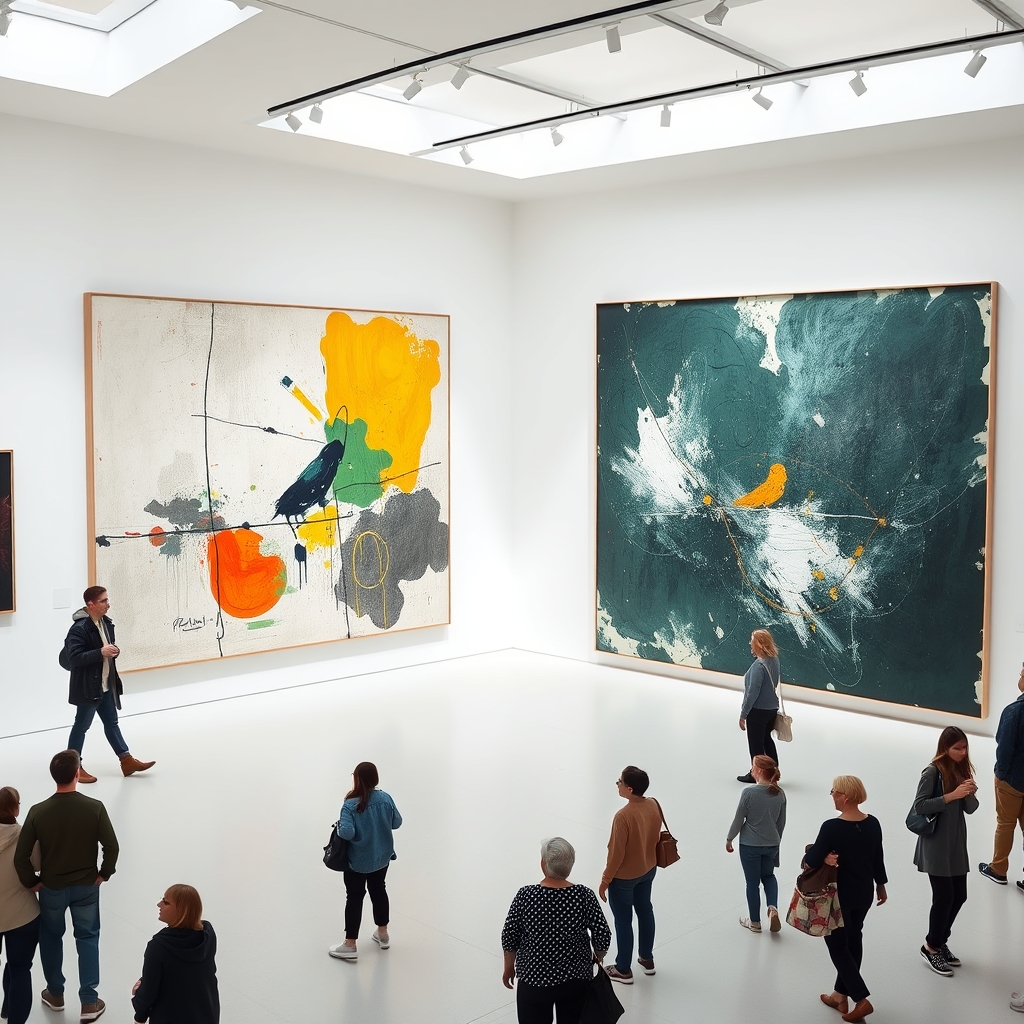
Contemporary Art Trends 2026: How Digital and Traditional Forms Converge
The art world is hurtling toward 2026 with a radical fusion of the analog and the digital. Gone are the days when artists were expected to choose between the tactile warmth of oil on canvas and the electric glow of an NFT. This year, the most exciting work is emerging from the fertile ground where code meets clay, pixel meets brushstroke. The convergence isn’t just a trend—it’s a cultural reckoning, reshaping how we create, consume, and critique art.
At the heart of this evolution is the rise of AI-assisted painting. By 2026, tools like Adobe Firefly and Midjourney have evolved from novelty apps into serious studio companions. Artists are no longer using AI to replace their hand, but to amplify it. Imagine an oil painter feeding a sketch into an AI to generate subtle texture maps, which they then interpret on linen with their own brush. This hybrid process is redefining authenticity. The debate over “what is handmade†is shifting from moral panic to creative dialogue. Cultural critics like Clara Kim of the Walker Art Center argue that this isn’t dilution—it’s collaboration across time, where centuries-old techniques meet real-time algorithmic intuition.
Another frontier is biotech art, where living organisms and synthetic biology become the medium. Artists like Eduardo Kac are no longer outliers—they’re early adopters. In 2026, bio-art studios are using CRISPR to grow pigment-producing bacteria that change color with light exposure, creating canvases that breathe and evolve. This isn’t just visual art—it’s a commentary on nature, technology, and ethics. Galleries are installing climate-controlled chambers where audiences witness paintings mutate in real time, blurring the line between artwork and ecosystem. The cultural ripple effect? A generation questioning not just “What is art?†but “Who—or what—gets to be an artist?â€
For photographers, the digital-traditional crossover is most visible in computational photography. Tools like Luminar Neo and Capture One now integrate AI-powered masking, sky replacement, and even style transfer that mimics vintage film. But the real innovation lies in hybrid darkroom workflows. Photographers are scanning film negatives into ultra-high-resolution digital files, enhancing them with AI noise reduction, then outputting them onto silver gelatin paper using laser engraving printers. The result: a photograph that feels handcrafted but benefits from the precision of modern computation. This year, the Venice Biennale’s photography section is celebrating this fusion, with a dedicated pavilion titled *Light as Palette*.
Practical tip for creatives: start experimenting with layered workflows. If you’re a painter, try sketching digitally first, then translating the composition onto canvas with a limited palette. If you’re a photographer, shoot in RAW, process with AI tools, then print using archival inks on textured cotton rag. The goal isn’t perfection—it’s evolution.
Cultural context matters here. The 2026 art world is grappling with a paradox: as technology accelerates, so does nostalgia. Vinyl sales are surging, film photography classes are oversubscribed, and digital artists are deliberately glitching their work to mimic analog distortion. This year, the most coveted exhibition tickets are for shows that bridge the gap—like “Past Future Present†at the Tate Modern, which pairs 19th-century daguerreotypes with AI-generated holograms of the same subjects.
Looking ahead, the fusion of digital and traditional forms will only deepen. Expect neural sculpture—where artists train AI on centuries of sculptural history, then generate hybrid forms that are 3D-printed in bronze or resin. Expect sound art that uses machine learning to transform field recordings into real-time visual compositions. And expect the art market to reward this hybridity, with auction houses like Sotheby’s launching “TechLegacy†sales that authenticate both the digital file and its handcrafted counterpart.
The message is clear: in 2026, the most compelling art isn’t digital or traditional—it’s both. It’s not about choosing a side, but about building a bridge. And the best artists are already across it, painting with pixels, sculpting with code, and photographing with pixels in their veins.